
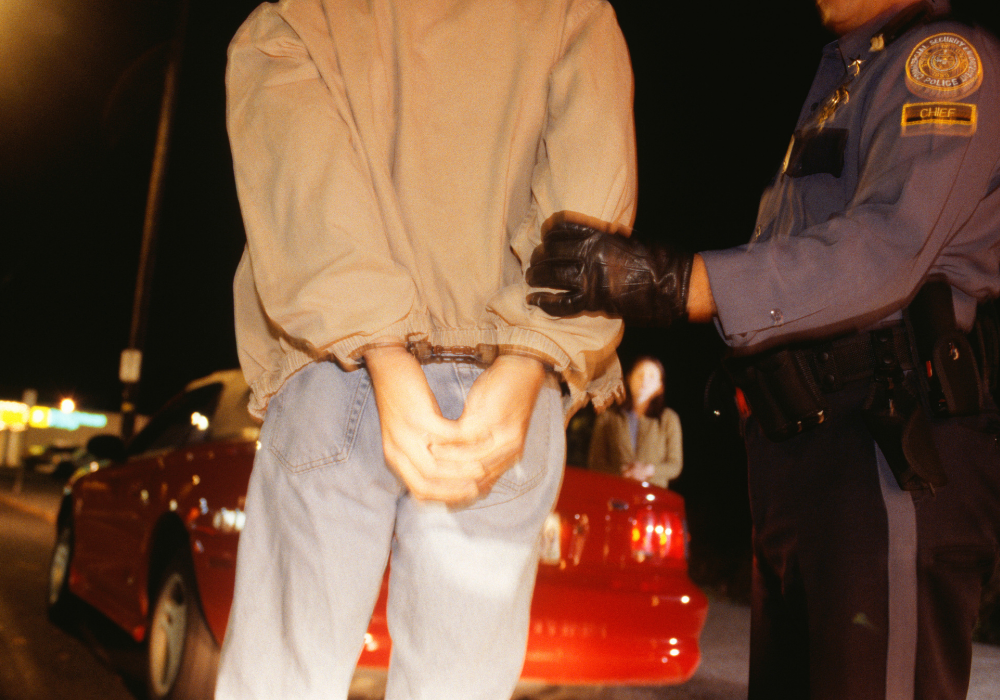
Someone You Love Just Got Arrested in California — What to Do in the First Hour
The phone rings. It’s a number you don’t recognize, or worse, it’s your loved one calling from a jail line. Your stomach drops. You don’t know where to start. Take a breath — what you do in the next 60 minutes will shape how fast they get home and how the next few days unfold.
This guide walks you through it in order. No legal jargon, no fluff. Just what to do, in the right sequence, anywhere in California.
Already past the basics? If you know where they’re being held and you’re ready to post bail, call our 24-hour line at 800.590.7321. Otherwise, keep reading.
Step 1: Breathe. The clock is friendly to you for the next few hours.
Booking takes time. In most California counties, it’s a few hours between arrest and the moment a bail bond can actually be posted. That means you have a window to gather information, make calls, and make smart decisions — not panicked ones. Speed matters, but accuracy matters more. A few minutes of preparation can shave hours off the release.
Step 2: Find out where they’re being held
This is the very first thing you need before anything else can happen. A bondsman cannot post bail until they know which jail or station is holding the person. In California, someone can be moved from the arresting agency’s station to a county facility within a few hours, so the answer can change.
Start with what you know:
- Which city or area were they arrested in? That tells you which agency arrested them (city police, sheriff, CHP).
- If it’s Los Angeles County, they will almost always end up at an LA County Sheriff facility after initial processing.
- If you don’t know the agency, the fastest path is to call us — we know which facility serves each city across California and can locate them in minutes.
Do not drive to a jail before you’ve confirmed they’re there. People are routinely transferred between facilities during booking.
Step 3: Do not talk about the case — on the phone, in texts, or on social media
This is the single biggest unforced error families make. A few rules to lock in right now:
- Every jail phone call is recorded. The recording starts before the conversation does. Anything your loved one says about what happened can be used against them.
- Texts and DMs can be subpoenaed. Do not text your loved one (or anyone else) details about the alleged incident, alibis, witnesses, or anything that sounds like coordinating a story.
- Do not post on Facebook, Instagram, TikTok, or anywhere public — not even “praying for him” or “she didn’t do this.” Prosecutors and detectives screen social media.
If your loved one calls you from inside, the conversation should be limited to logistics: their full legal name, date of birth, the jail location, and whether they need anything specific. Tell them not to discuss the case with anyone except an attorney.
Step 4: Gather the information a bondsman will need
Having this ready before you call will speed everything up. Write down:
- The person’s full legal name (exactly as it appears on their ID — not a nickname).
- Their date of birth.
- The jail or station where they’re being held (city is fine if you don’t know the exact facility).
- The booking number, if you have it. You may not — that’s OK.
- The charge(s), if you know them. A bondsman can usually find this once booking is complete.
- Their court date, if any has been mentioned.
If you don’t have all of it, don’t wait — call anyway. We can find the rest.
Step 5: Understand what a bail bond actually costs
In California, a bail bond costs a regulated percentage of the total bail amount (typically 10%) — and that fee is what you pay, not the full bail. So if bail is set at $50,000, you’re looking at roughly $5,000 to secure release, often with payment plans available so you don’t have to pay it all upfront.
You can get a fast, accurate estimate using our California bail cost calculator, which lets you enter the bail amount or pick a common charge. For Los Angeles specifically, we have a $500 down option for qualifying clients.
The full mechanics of how the process works are explained on our How Does Bail Work page if you want the longer version while you wait.
Step 6: Call a licensed California bail bondsman
This is the action step. A licensed bondsman will:
- Confirm where your loved one is held and what they were booked for.
- Tell you the exact bail amount once it’s been set.
- Walk you through the paperwork (most of which can be done by phone, email, or text).
- Coordinate with the jail to post bail as soon as booking is complete.
- Explain payment plans if you can’t pay the full premium upfront.
Iron Bail Bonds is available 24 hours a day, anywhere in California. Call 800.590.7321 or message 626.862.0627.
Step 7: Know what happens next so nothing surprises you
Once bail is posted, your loved one is released — but this is not the end of the case. They’ll have a court date (the arraignment) typically within 48 hours of arrest if they’re still in custody, or scheduled out later if released quickly. They must show up. Missing a court date converts a manageable situation into a failure to appear warrant, which adds significant new bail and risks losing the bond.
If the case involves probation or parole, expect added complexity — those holds often prevent immediate release even after bail is posted. Ask the bondsman to check for any holds before you pay.
For Los Angeles arrests specifically, our LA County jail bail process guide and release timing guide walk through the next 24 hours in detail. And once they’re out, our what happens after posting bail guide covers the conditions and court obligations.
What to avoid in the first hour
- Do not call the arresting officer to “explain” anything. It will not help; it can hurt.
- Do not pay anyone in cash claiming to be a bondsman without verifying their California license.
- Do not try to post the full bail in cash yourself at the jail unless an attorney has specifically told you to. A bond is almost always cheaper and faster.
- Do not make any statement to media or to neighbors.
- Do not delete anything off any phone — your loved one’s or your own. Tampering can compound charges.
A final note
An arrest is not a conviction. Most people who call us are scared, embarrassed, and exhausted, and they think they have to figure this out alone in the middle of the night. They don’t. That’s the entire reason we are open 24 hours.
If you’re at this point in the article and you still aren’t sure what to do, call us. We’ll find your person, we’ll tell you the bail amount, and we’ll get the process started. That’s it. No pressure, no judgment.
24-hour California bail bonds — anywhere in the state. Call 800.590.7321 or send us a message.